Lower bills
Every kilowatt-hour your panels produce is one you don't buy.
Incentives & savings
The rules changed. Here's what happened to the federal tax credit, what still makes solar worthwhile, and how we estimate savings without outdated promises.
Free estimate based on your real bills.
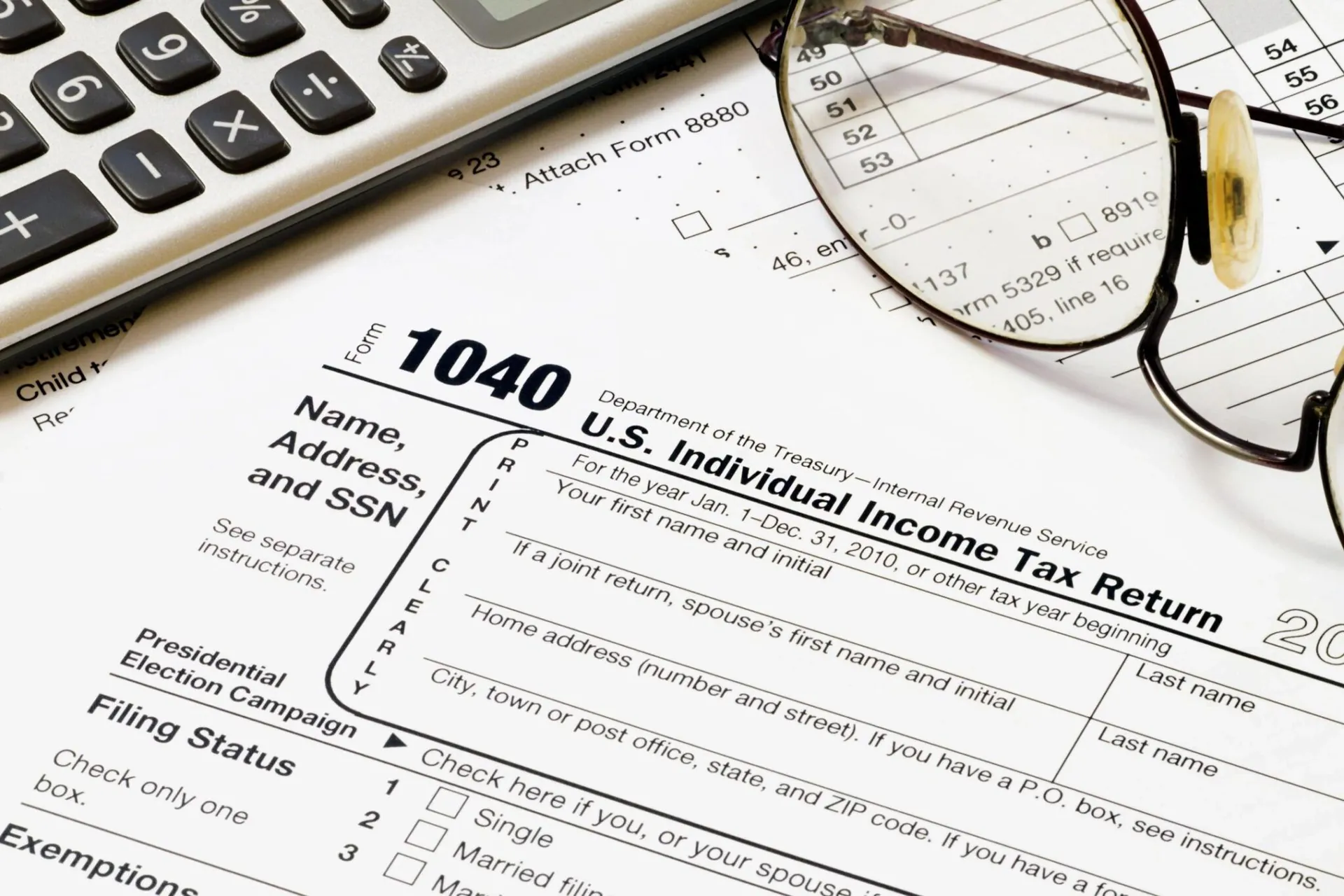
The federal Residential Clean Energy Credit used to give eligible homeowners a tax credit worth 30% of qualified solar and battery costs. A 2025 change in federal law ended the credit for expenditures made after December 31, 2025. Under IRS guidance, an expenditure is generally treated as made when the installation is completed, so a system completed after that date does not qualify, even if it was paid for earlier. If your qualifying system was completed by December 31, 2025, you may still be able to claim the credit on that year's return. Please check your situation with a qualified tax professional. You can read the official guidance on the IRS Residential Clean Energy Credit page (opens in a new tab).

Straight answers
Often, yes. A tax credit was never the only source of value. A well-designed system lowers the electricity you buy from your utility, and every kilowatt-hour you make yourself is one you don't pay for at future rates. Whether it makes sense for you depends on a few things we check for every home:
Reviews
The quote was the only one that showed every cost in writing. The install took two days and the crew cleaned up better than they found it.
Review shown is demo content.
Based on your real bills.
Send a recent electricity bill and we'll show what solar could save your home, with no tax-credit assumptions.
No obligation. We reply within one business day.
Harborlight assistant
This is a demo site, not an actual production website.